




Mazda Braking Assistance for I-215 Slowdowns
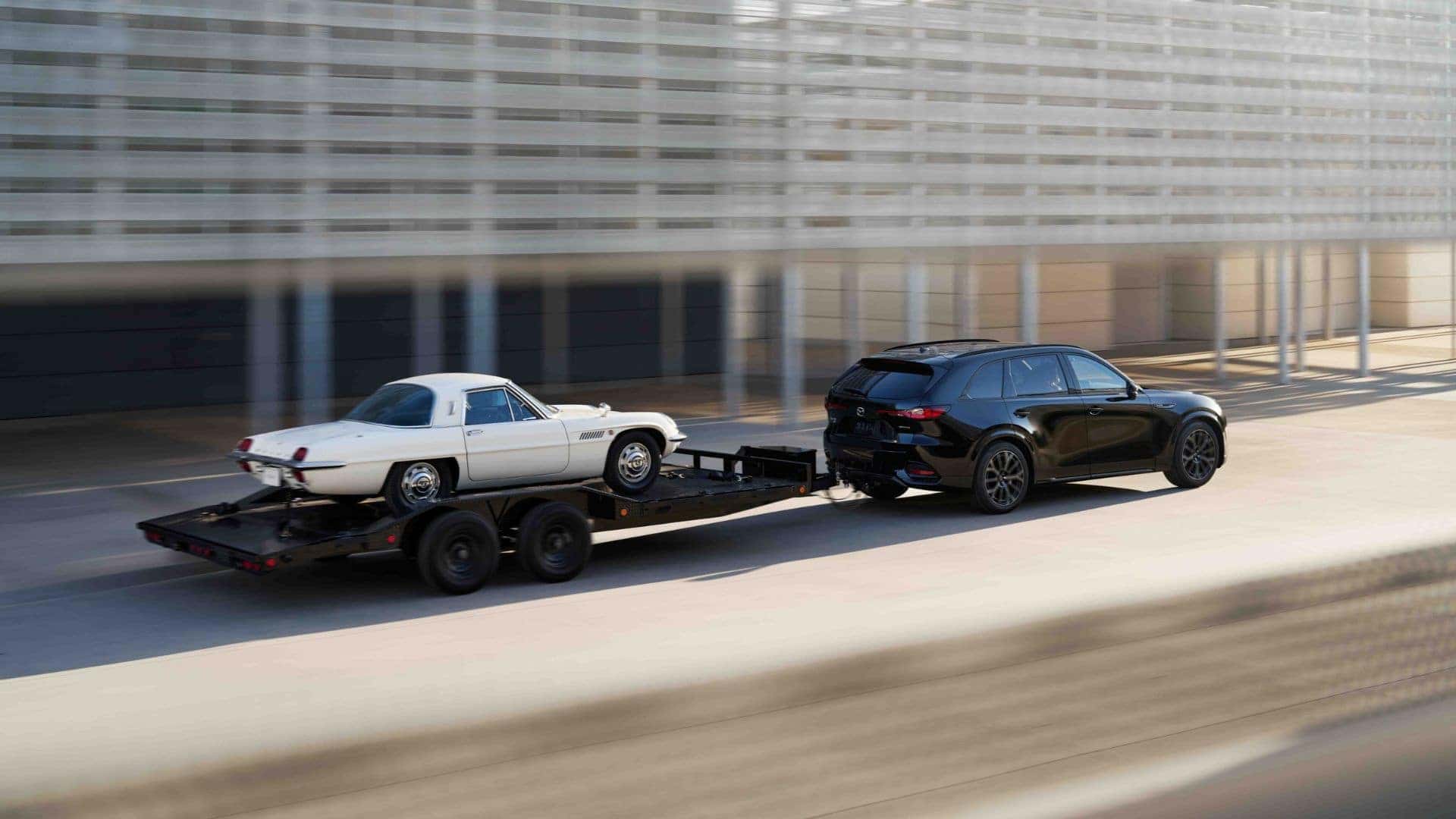
Mazda braking assistance can warn of a potential frontal collision and, under certain conditions, apply the brakes automatically when traffic slows. At Hello Mazda of Temecula, part of our parent company, Hello Auto Group, we help shoppers understand what that means in a Mazda before choosing a vehicle. For Temecula drivers traveling through Murrieta toward I-215, the important distinction is between technology that helps manage following distance and technology designed to respond to a developing collision risk.
Key Takeaways
- Smart Brake Support can provide collision warnings and automatic braking under specific conditions.
- Mazda Radar Cruise Control manages speed and following distance, rather than replacing emergency braking.
- Detection conditions and braking functions differ across Mazda models, trims, and model years.
- Drivers must remain ready to brake, especially when traffic ahead suddenly slows.
How Mazda Braking Assistance Responds to Slowing Traffic
Smart Brake Support, or SBS, is Mazda’s collision-warning and automatic emergency braking technology. It uses vehicle sensors and cameras to detect certain objects ahead, warn the driver of a potential collision, and apply braking when the system determines that the risk has increased.
Mazda forward collision warning and Mazda automatic emergency braking describe related but different actions. A warning tells you to respond through a display message and audible alert. Automatic braking intervenes under qualifying conditions to help avoid a collision or reduce its severity. Neither action guarantees that the vehicle will stop before contact.
Understanding how Smart Brake Support operates in congestion starts with that distinction. The system responds to detected collision risk, not simply to the presence of slow traffic. In a CX-50, for example, forward SBS can provide a warning and braking assistance, but the driver still needs to recognize the slowdown and brake promptly.
One useful dealership conversation is separating “it warns me” from “it brakes for me.” We recommend checking both functions rather than treating every driver-assistance feature on an equipment list as interchangeable.
Which Current Mazda Models Offer Braking Assistance?
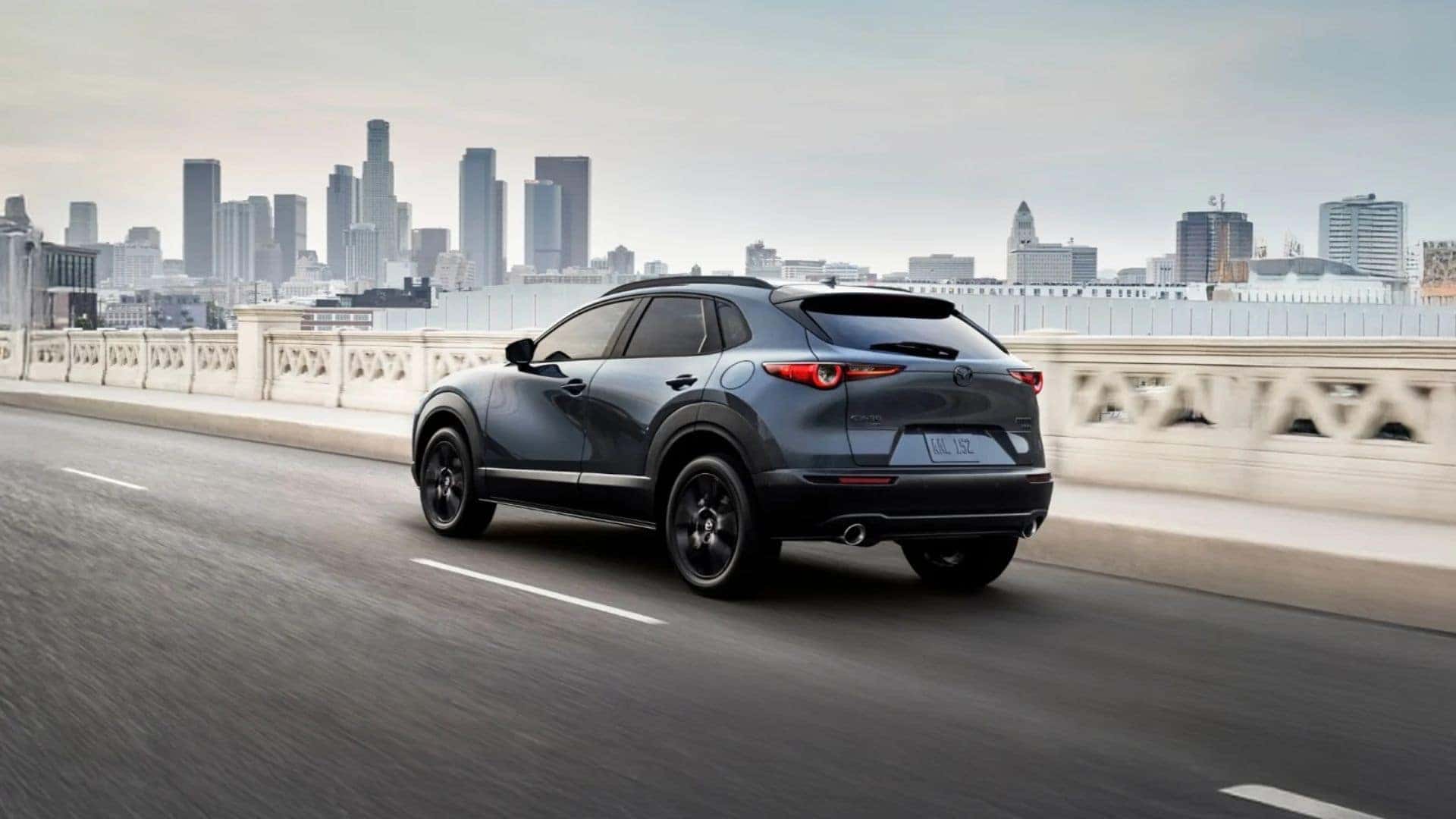
Current Mazda vehicles offering forward Smart Brake Support include the Mazda3 and CX-30, along with several larger SUVs. These features make braking assistance relevant to shoppers considering different vehicle sizes, not just one particular crossover.
The CX-5 and CX-50 also offer forward collision-warning and braking functions. However, sharing the Smart Brake Support name does not mean that every detection function, operating condition, or additional braking feature is identical.
Shoppers considering a CX-70 or CX-90 can find forward Smart Brake Support as well. The useful comparison is between the actual vehicles and their equipment, including any additional intersection or reversing functions, rather than assuming that a larger SUV automatically has every available assistance feature.
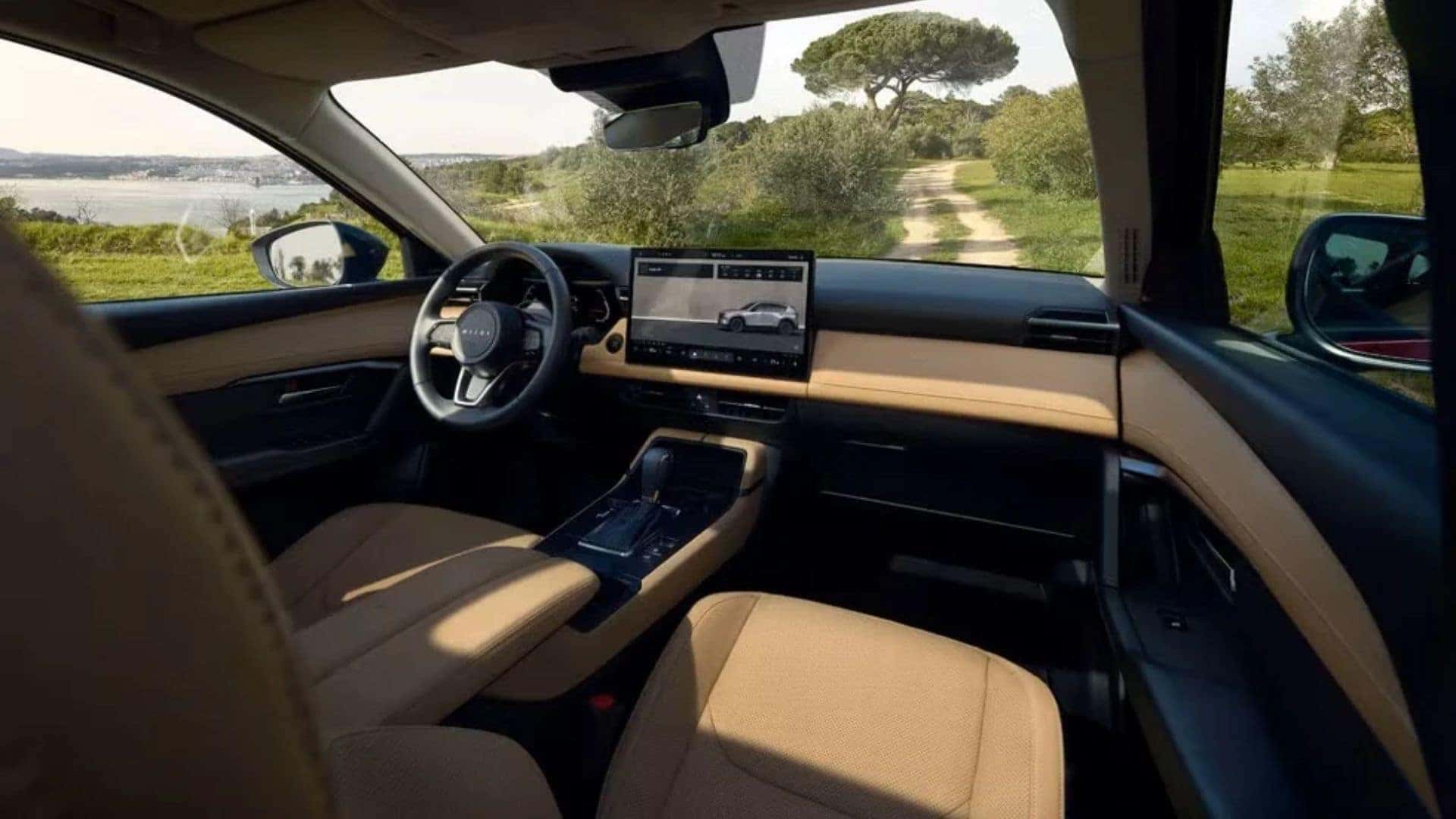
When comparing vehicles in person, we recommend looking at the instrument display and steering-wheel controls alongside seating position and visibility. Recognizing where an alert appears matters during everyday driving, and it is easier to understand from the driver’s seat than from a feature list.
Mazda Driver Assistance Limitations at Freeway Speeds
Mazda braking assistance on I-215 should be treated as backup support, not a promise of an automatic stop from freeway speed. Vehicle speed, closing speed, object type, detection conditions, and available stopping distance all affect what the system can accomplish.
For a concrete example, the 2026 CX-5 manual lists forward detection for vehicles, motorcycles, and bicycles at approximately 3 mph or faster. Pedestrian detection has a separate operating range of approximately 3 to 49 mph. Those thresholds describe operating conditions, not guaranteed collision avoidance throughout those ranges.
That distinction matters when approaching a traffic queue. Traveling within a system’s operating range does not establish how much speed it can remove before impact. Mazda also identifies sudden deceleration or a sharp turn by the vehicle ahead as conditions in which forward detection may not operate normally.
Camera and radar detection also have limitations. If a sensor cannot recognize the object ahead, the system may not respond as expected. Drivers should maintain following distance and brake for changing traffic rather than waiting for a warning.
For families preparing newer drivers for changing traffic speeds, we recommend explaining the alerts while reinforcing that the driver remains responsible for braking. A Mazda3’s assistance features support that responsibility; they do not take it over.
How Is Smart Brake Support Different From Adaptive Cruise Control?
Smart Brake Support responds to a potential collision, while Mazda Radar Cruise Control adjusts cruising speed to help maintain a selected following distance. Adaptive cruise control is a convenience feature for managing traffic flow, not permission to stop monitoring the road.
On appropriately equipped CX-30 and CX-70 models, Mazda Radar Cruise Control with Stop & Go can follow a detected vehicle as traffic slows, including stopping under qualifying conditions. Restart procedures and operating restrictions should be checked for the specific vehicle.
A practical test-drive priority is learning how to select the following gap, cancel cruise control, and recognize when the system is active. We can explain those controls during an ordinary drive, but shoppers should never deliberately create a collision risk to test automatic emergency braking.
While browsing our current selection at Hello Mazda of Temecula, compare the Mazda models that fit your commute and check which cruise-control and SBS functions each vehicle includes.
How Mazda Braking Equipment Differs by Trim and Model Year
Braking-assistance equipment can change even when the model name stays the same. Forward SBS, reversing assistance, and crossing-traffic braking are separate functions, so an equipment comparison should identify each one explicitly.
For example, the 2026 CX-30 includes forward Smart Brake Support as standard equipment, while the 2.5 S Preferred adds Smart Brake Support-Rear and Rear Cross-Traffic Braking. Those rearward functions address different situations from approaching slowing freeway traffic. Confirm the equipment on the specific vehicle’s window sticker or build sheet.
The CX-5 provides another reason to check model years carefully. Its redesigned 2026 version has different SBS functions and operating details from the preceding version. An older online explanation should not be applied automatically to a newer vehicle.
An easily overlooked ownership detail is the difference between an alert and a braking function. Rear Cross Traffic Alert, for example, should not be read as proof that a vehicle also includes rear crossing automatic braking. We recommend reading the full feature name rather than relying on an abbreviation.
Braking Assistance and Crash Protection Serve Different Roles
Braking assistance aims to help prevent a collision or reduce its severity, while collision protection evaluated through crash testing concerns how a vehicle protects occupants during an impact. Both matter, but they answer different shopping questions.
A Menifee commuter considering a CX-90 should therefore review its exact driver-assistance equipment separately from its model-year-specific crashworthiness results. A crash-test rating does not establish a guaranteed stopping distance for Smart Brake Support, and an SBS listing does not replace reviewing occupant protection.
Visit Hello Mazda of Temecula to Compare Available Models
Comparing available Mazda vehicles in person can help you understand their displays, controls, and equipment before choosing one. Visit Hello Mazda of Temecula in Temecula, part of the Hello Auto Group, to explore vehicles in stock and schedule a test drive in the model that fits your daily drive.
*Penned by AI, polished by humans
0 comment(s) so far on Mazda Braking Assistance for I-215 Slowdowns