




Mazda CX-5 vs. Subaru Forester in Murrieta Traffic
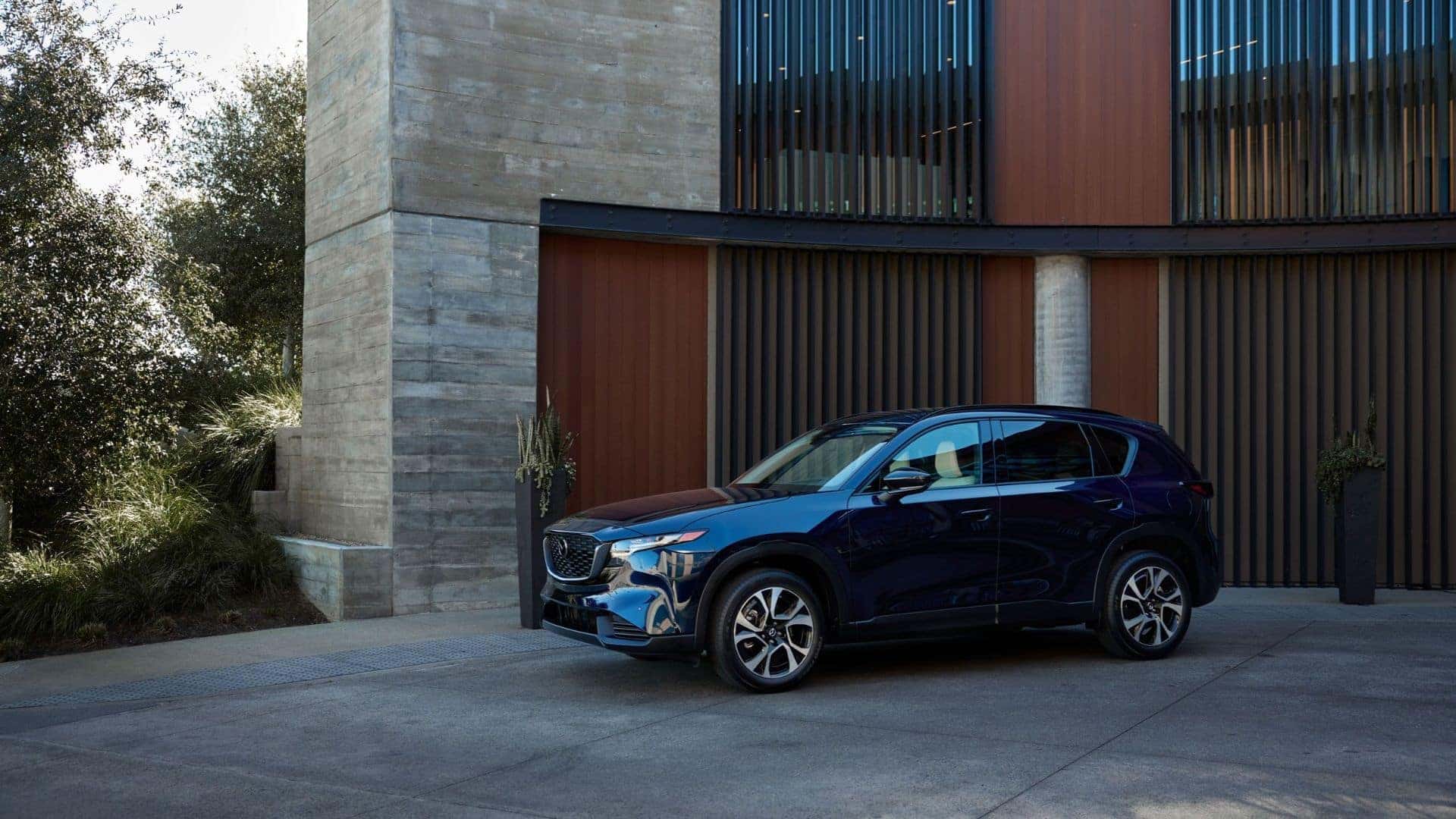
The Mazda CX-5 makes a strong case for drivers who value a conventional automatic transmission and useful parking assistance, while the Subaru Forester offers a tighter turning circle and better city fuel economy in most configurations. Here at Hello Mazda of Temecula, part of our parent company, Hello Auto Group, we recommend comparing how each SUV handles the situations that fill your December calendar. Choosing a Mazda for Murrieta holiday traffic should come down to everyday comfort and control, not just a feature count.
Key Takeaways
- The CX-5 uses a six-speed automatic, while the gasoline Forester uses a continuously variable transmission.
- Both SUVs offer adaptive cruise control that can help manage slowing traffic.
- The Forester turns more tightly, while the CX-5 offers standard parking sensors.
- Most Forester configurations beat the CX-5’s city fuel economy.
- The CX-5 Premium Plus adds surround-view cameras and additional steering assistance.
Mazda CX-5 vs. Subaru Forester City Driving
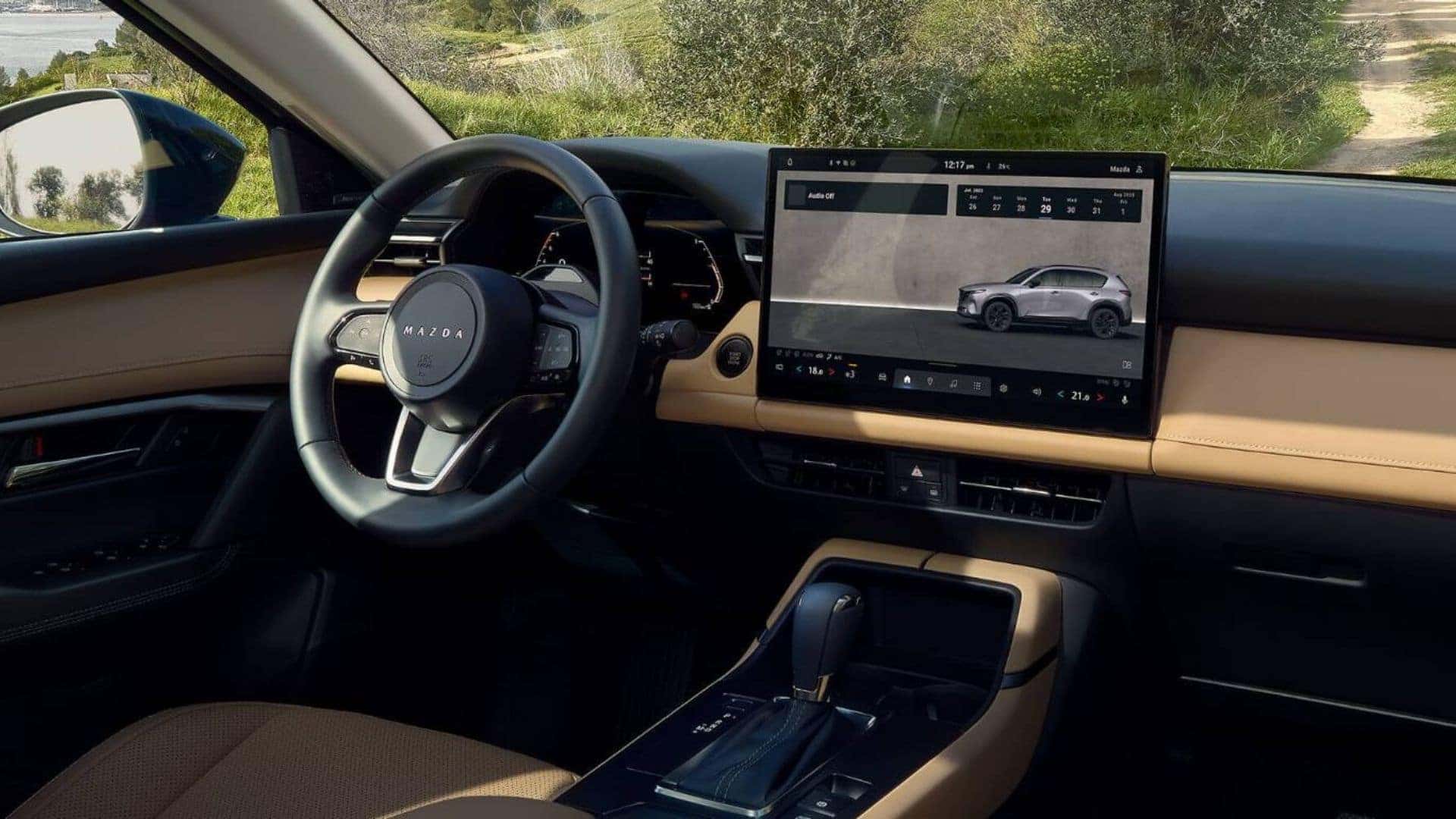
The CX-5 and Forester approach acceleration differently: Mazda uses a six-speed automatic with distinct gears, while the gasoline Subaru uses a continuously variable transmission, or CVT, that adjusts its ratio continuously. Neither design alone guarantees smoother acceleration or braking.
The CX-5’s 187-horsepower engine gives shoppers a straightforward alternative to the gasoline Forester’s 180-horsepower powertrain. Those numbers matter less in a crawling queue than how easily you can add a little speed, ease off, and stop without an abrupt final squeeze.
For a useful dealership comparison, we recommend including ordinary starts and stops rather than judging either SUV only on a freeway on-ramp. Pay attention to the first few feet of acceleration and how naturally you can bring the vehicle to rest. Those details become important when shopping traffic stretches between Murrieta and Temecula.
Mazda CX-5 vs. Subaru Forester Driver Assistance at Low Speeds
Both SUVs provide adaptive cruise control across their trim lineups, including support for following a detected vehicle as traffic slows to a stop. Adaptive cruise control adjusts speed to help maintain a selected following distance, but it does not replace the driver.
On the current-generation CX-5, Mazda Radar Cruise Control with Stop & Go is standard from 2.5 S through 2.5 S Premium Plus. Premium Plus adds Cruising and Traffic Support with Lane Change Assist, including steering assistance under specified conditions. If a stop lasts beyond the system’s automatic restart window, driver input is needed to resume following.
The Forester includes EyeSight Driver Assist Technology with Advanced Adaptive Cruise Control and Lane Centering on every trim. That means a base Forester includes lane-centering assistance, whereas Mazda’s additional Cruising and Traffic Support equipment is concentrated on Premium Plus.
One important distinction we explain during trim comparisons is that adaptive cruise control and emergency braking do different jobs. Cruise control manages following distance when activated; emergency braking responds to certain collision risks. Neither should be treated as permission to let the SUV handle busy intersections or shopping aisles. Confirm the equipment on the vehicle’s window sticker and review its operating instructions.
Mazda CX-5 vs. Subaru Forester Parking Dimensions
The Forester has the tighter turning circle, while the CX-5 counters with standard front and rear parking sensors. Turning circle means the diameter of the space a vehicle needs to complete a full turn, not the distance from its center to the outside wheel.
For the redesigned CX-5 introduced for 2026, overall length is 184.6 inches and turning diameter is 36.8 feet. Most 2026 Forester configurations measure 183.3 inches long and have a 35.4-foot turning circle. The Forester Wilderness differs, with a 182.9-inch length and 34.5-foot turning circle.
That gives Subaru a measurable advantage when turning into a narrow aisle or correcting a parking approach. Mazda’s sensors address a different concern by helping alert you to nearby obstacles during low-speed maneuvers.
A parking comparison can reveal more than a walkaround. From the driver’s seat, check whether you can judge the front corners and place the vehicle comfortably between lines. To narrow your options, browse our current CX-5 selection at Hello Mazda of Temecula and compare the available trims.
Which SUV Has Better Visibility When Backing Out?
The CX-5 includes Rear Cross Traffic Alert as standard, while the Forester’s availability depends on trim and equipment. Both have standard rearview cameras, and both offer surround-view cameras on higher trims.
Rear Cross Traffic Alert helps warn about detected traffic approaching from either side while you reverse. On the Forester, it is unavailable on the base trim, optional on Premium, and standard on Sport and higher trims, as well as hybrid versions. Mazda includes it throughout the CX-5 lineup.
The CX-5 2.5 S Premium Plus adds a 360° View Monitor with multiple camera perspectives. Forester Touring and Touring Hybrid include Subaru’s 360-Degree Surround View Monitor. These displays can help you judge nearby space, but parked vehicles can still obstruct your view of an approaching car.
We recommend adjusting the seat and mirrors before comparing visibility. A comfortable view through the rear windows and over your shoulder matters alongside camera coverage, especially when reversing between taller vehicles in Temecula shopping lots.
Mazda CX-5 vs. Subaru Forester Ride Comfort
Ride comfort depends on the equipped trim and your seating preferences, so neither SUV deserves an automatic win from specifications alone. The CX-5 offers a useful choice between smaller wheels on entry trims and additional seat adjustments on higher trims.
The CX-5 2.5 S and Select use 17-inch wheels, while Preferred and higher trims use 19-inch wheels. Preferred adds a 10-way power-adjustable driver’s seat, and Premium adds leather-trimmed seating and ventilated front seats. The Forester Premium includes a 10-way power driver’s seat, while Touring adds ventilated front seats.
When helping shoppers compare comfort, we separate seat support from suspension feel. A seat can feel inviting while parked yet leave you wanting a different cushion angle after several miles. Compare both SUVs over similar pavement and check the exact trim’s window sticker rather than assuming every version feels identical.
Which Has Better City Fuel Economy?
The Forester wins city fuel economy in most configurations, especially as a hybrid. The current-generation CX-5 is EPA-rated at 24 mpg city, compared with 26 mpg for the 2026 gasoline Forester Base, Premium, and Limited.
Forester Sport and Touring return 25 mpg city, while Wilderness matches the Mazda at 24 mpg. Forester Hybrid versions are rated at 35 mpg city. Actual results vary with traffic, driving habits, and vehicle condition.
For drivers traveling from Wildomar into Temecula frequently, those differences deserve consideration. The Mazda’s appeal rests more on its transmission feel, available cabin appointments, and standard parking equipment than on claiming the highest city mileage.
Test Drive a Mazda CX-5 in Temecula
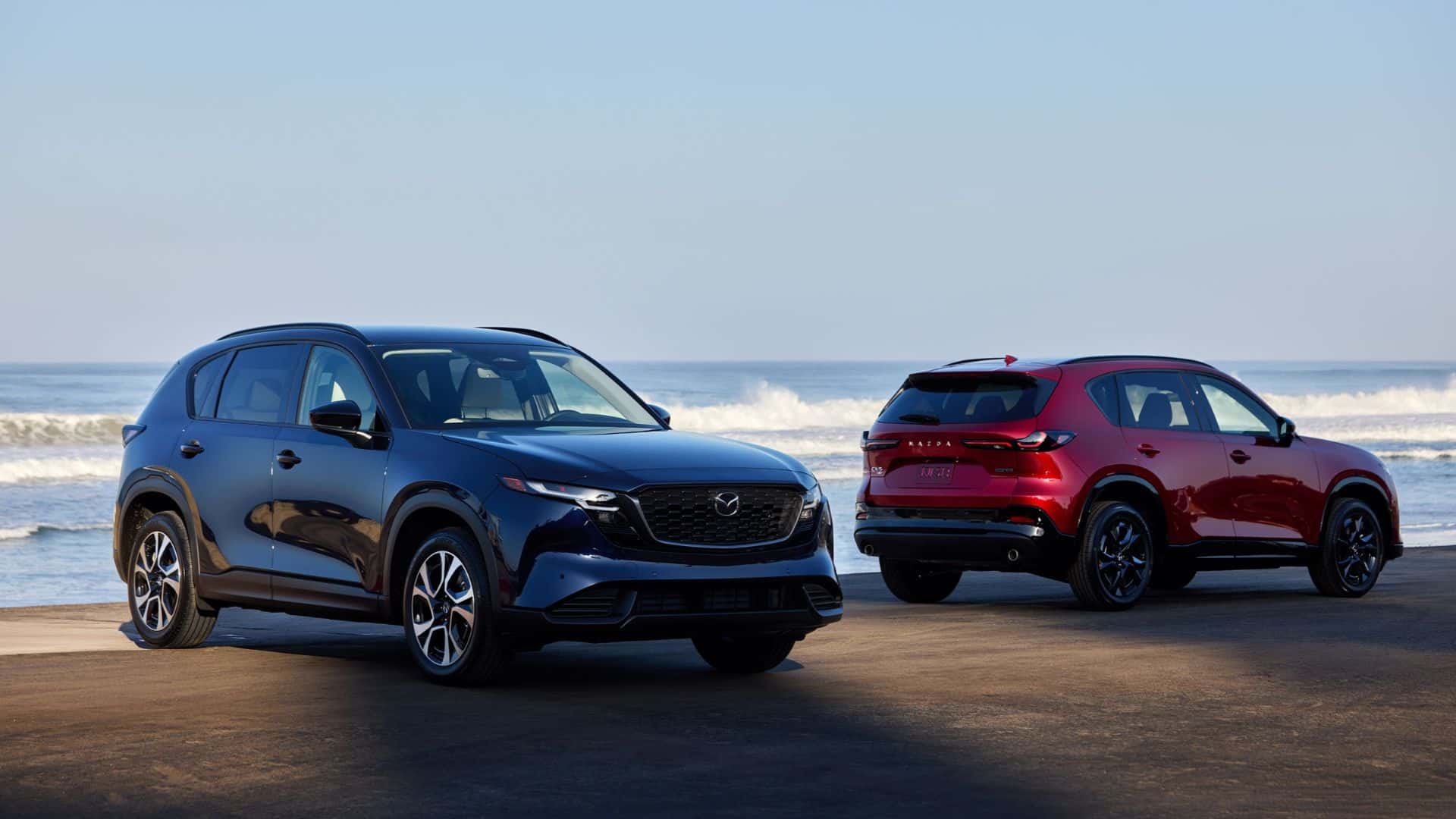
The CX-5 deserves a place on your shortlist if you prefer its six-speed automatic and want parking sensors and rear cross-traffic alerts without moving to an upper trim. The Forester remains compelling for tighter turns and fuel efficiency.
Schedule a test drive at Hello Mazda of Temecula in Temecula, part of Hello Auto Group, to explore available CX-5 models and find the trim that fits your daily drive.
*Penned by AI, polished by humans
0 comment(s) so far on Mazda CX-5 vs. Subaru Forester in Murrieta Traffic