




Mazda Visibility for Temecula’s After-Dark Roads
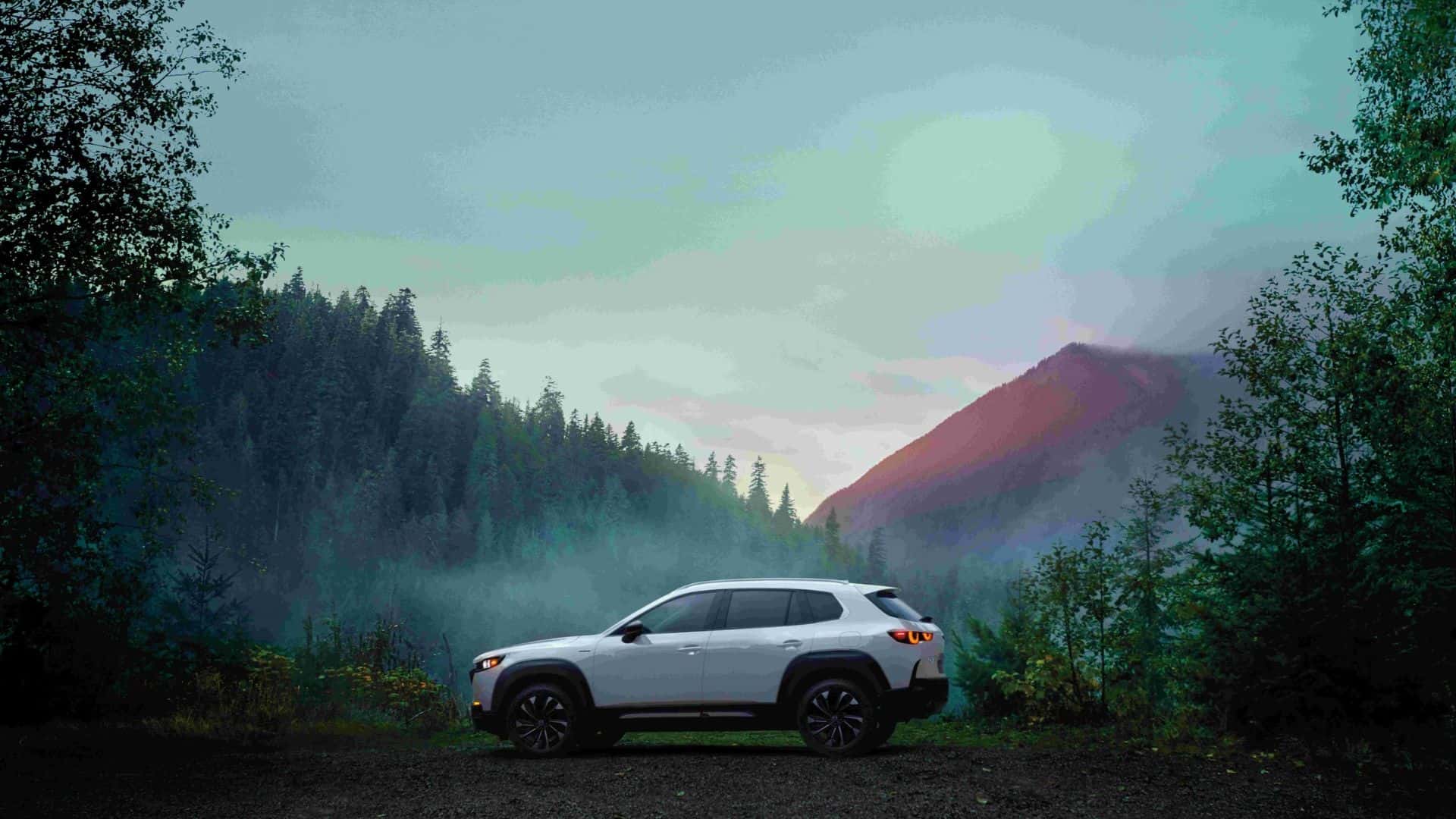
Mazda night driving visibility involves several features that do different jobs: illuminating the road, adjusting high beams, and helping you see around the vehicle while parking. Hello Mazda of Temecula, part of our parent company, Hello Auto Group, can help you understand those differences when comparing Mazda models. For night driving on Temecula roads, especially routes with fewer streetlights, the useful question is not simply whether a vehicle has LED headlights. It is which lighting and visibility functions come on the specific trim you are considering.
Key Takeaways
- Adaptive Front-lighting System adjusts headlight direction through curves.
- High Beam Control switches between high and low beams under certain conditions.
- Lighting and camera equipment differ between Mazda models and trims.
- Parking cameras support low-speed visibility, not illumination farther down the road.

Mazda Headlight Features: What Each Function Does
LED headlights, automatic headlights, Adaptive Front-lighting System, and High Beam Control serve different purposes. Understanding those differences makes a Mazda visibility feature comparison more useful than looking for the longest equipment list.
LED describes the lighting technology. Automatic on/off headlights respond to surrounding light levels, while High Beam Control manages switching between high and low beams under appropriate conditions. Adaptive Front-lighting System, often shortened to AFS, adjusts the headlights horizontally with steering input to help illuminate the direction you are turning.
Auto-leveling is another separate function, adjusting the vertical aim of equipped headlights. Signature illumination describes distinctive lighting elements, so that wording alone does not establish that a vehicle has steering-responsive headlights.
During a vehicle comparison, we recommend separating appearance from function. Two Mazdas can both have LED headlights while offering different capabilities through curves or different camera views when parking.
Which Mazda Models Offer Headlights That Follow Curves?
Selected Mazda trims offer Adaptive Front-lighting System, which turns the headlight beams left or right with steering input. Models worth checking include the CX-30, CX-50, and CX-90, but shoppers should verify the equipment on each vehicle rather than assuming every trim includes it.
The CX-30 2.5 S Premium includes AFS, making it a useful compact SUV to consider if evening drives involve frequent bends. Its equipment illustrates why moving beyond an entry trim can change more than upholstery or audio features.
The CX-50 Hybrid Premium Plus also includes AFS, alongside Signature LED headlights with auto-leveling. For someone commuting between Murrieta and Temecula, that combination is worth examining if the drive includes both well-lit main roads and darker connecting streets.
Families considering a larger SUV can look at the CX-90 3.3 Turbo Premium Plus, which pairs Signature headlight elements with AFS. When evaluating visibility features for evening family transportation, distinguish those forward-lighting functions from cameras intended for parking. Each addresses a different part of the trip.
How Mazda High-Beam Functions Respond to Traffic
Mazda High Beam Control uses a forward-facing camera to assess conditions and automatically switch between high and low beams. It considers factors such as surrounding illumination and detected vehicle lights, helping manage beam selection as traffic conditions change.
On an equipped CX-70, the system can select high beams when operating conditions allow and return to low beams when it detects relevant traffic or sufficiently illuminated surroundings. Drivers still need to understand the controls and switch beams manually when necessary.
High Beam Control and AFS are not interchangeable. High Beam Control changes beam selection, while AFS changes headlight direction. A vehicle can therefore help manage high beams without necessarily having headlights that turn through curves.
One practical point we recommend checking during a vehicle walkthrough is the instrument-panel indicator. Knowing whether automatic high-beam operation is enabled is more useful than assuming the system is active whenever the headlights are on.
Comparing Mazda Trims for Frequent Night Driving
Trim-level equipment matters more than a model badge alone when choosing Mazda headlights for night driving. A clear example is the Mazda3 2.5 Turbo Premium Plus, which offers AFS in addition to the LED lighting found across the Mazda3 lineup.
For CX-5 visibility and safety considerations, check the vehicle’s exact equipment rather than relying on a general model description. The CX-5 2.5 S Premium Plus offers AFS, but lighting availability can change between production updates. Confirm the model year, trim, and installed features on the window sticker or build sheet.
This is also where a comparison can reveal an overlooked tradeoff. A shopper may prefer one vehicle’s seating position or outward view even when another trim offers more camera equipment. We recommend considering both the view through the glass and the assistance displayed on the screen.
While browsing our current selection at Hello Mazda of Temecula, compare specific CX-5 and Mazda3 trims to narrow down which vehicles have the lighting equipment you want.
Camera Visibility When Parking After Dark
Available surround-view cameras help display areas around a Mazda during low-speed maneuvering. They do not extend headlight reach or function as night-vision systems for the road ahead.
The CX-30 2.5 S Premium includes a 360° View Monitor, while selected CX-90 trims offer a 360° View Monitor with See-Through View. That function combines exterior camera images to show areas that the vehicle’s body would otherwise obscure.
When assessing camera visibility when maneuvering after dark, look at the actual vehicle’s screen, available views, and controls. An evening return from Lake Elsinore might end in a dim driveway or parking space, where understanding those views can be useful.
We also recommend checking how easily you can move between camera views before choosing a trim. Screen images supplement direct observation, mirrors, and checking the surroundings; they do not show every object or eliminate blind spots.
Mazda Visibility Feature Limitations and Ownership Checks
Lighting and camera systems work within operating limits, so their usefulness depends on conditions as well as equipment. Mazda’s High Beam Control documentation notes that detection range varies with the surroundings and that drivers may need to select beams manually.
For example, an equipped CX-70 still requires driver judgment when the forward camera cannot correctly identify conditions. Similarly, a CX-90’s surround-view system supports low-speed awareness but does not provide a complete view of every surrounding area.
For ownership, keep headlight lenses, the windshield’s camera area, and exterior camera lenses clear according to the vehicle’s care instructions. If headlight aim or operation seems incorrect, arrange an inspection rather than assuming another trim would solve the issue.
An after-dark test drive can also help you assess the seating position, mirror adjustment, control layout, and road illumination together. Those everyday details deserve attention alongside the feature names.
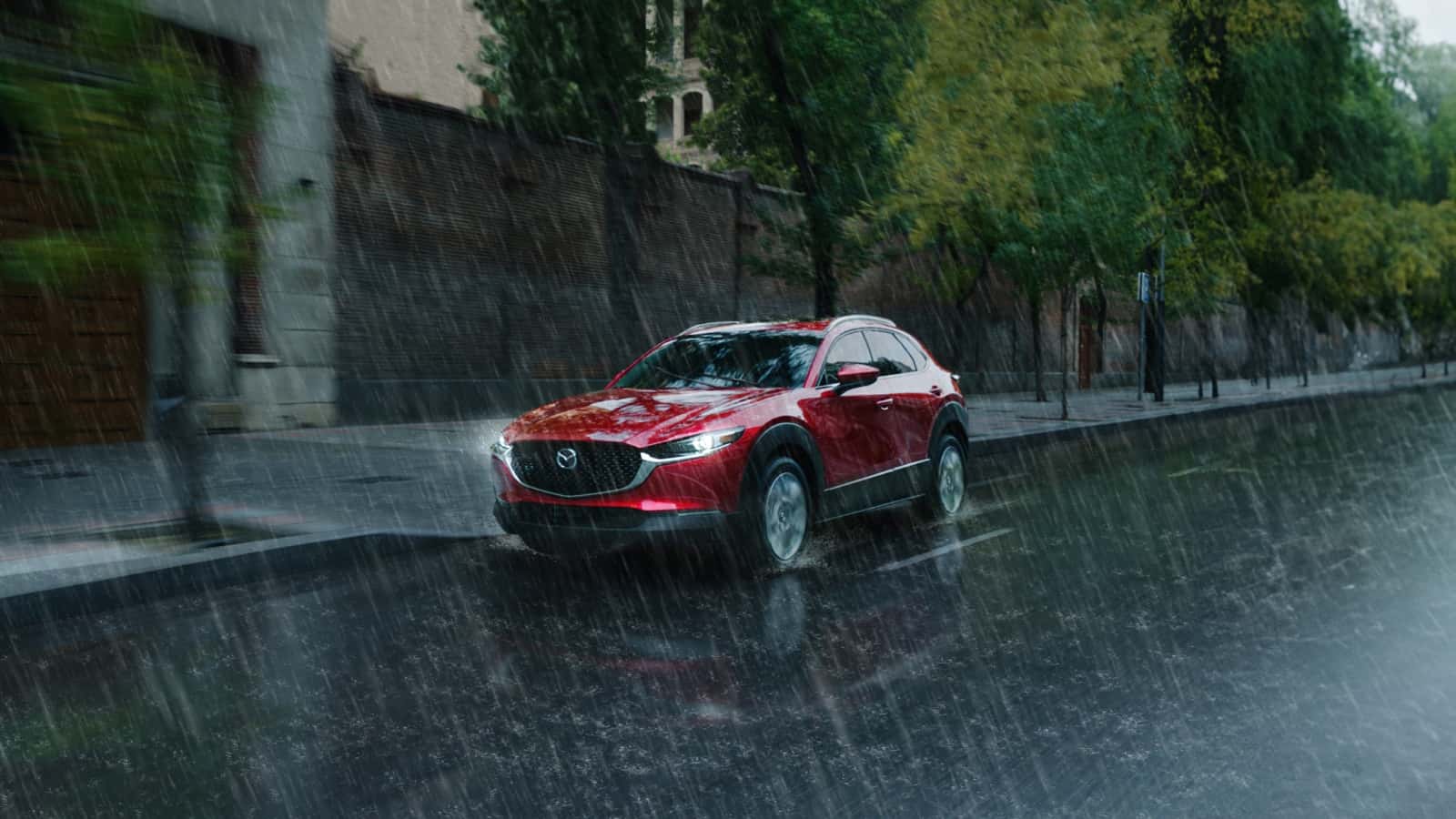
Visit Hello Mazda of Temecula to Compare Available Models
Comparing available Mazda models in person lets you check the exact lighting equipment, camera views, and driving position before deciding. Visit Hello Mazda of Temecula in Temecula, part of Hello Auto Group, to explore our current inventory and schedule a test drive.
*Penned by AI, polished by humans
0 comment(s) so far on Mazda Visibility for Temecula’s After-Dark Roads