




Temecula’s First Rain: Is Your Mazda Ready?
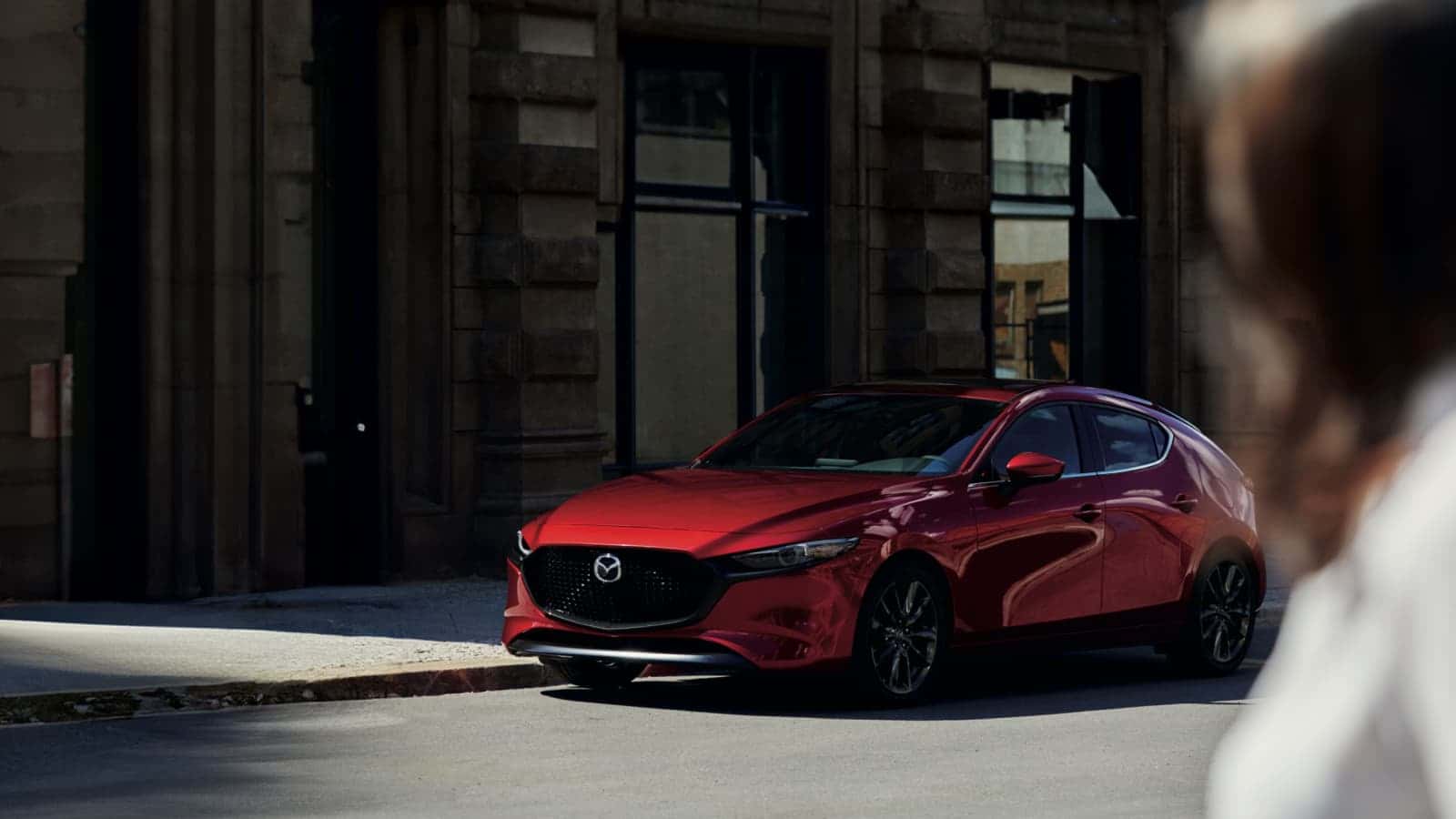
The first rain after a long dry spell can change how familiar Temecula roads feel, even before puddles form. Hello Mazda of Temecula, part of parent company Hello Auto Group, can help you prepare your Mazda by checking tire condition, visibility, and the equipment you use behind the wheel. Whether you commute along I-15 or mostly drive around town, Mazda rain preparation starts with the basics, not simply whether your vehicle has all-wheel drive.
Key Takeaways
- Rain after dry weather can make pavement slippery as water mixes with accumulated oil and dust.
- Tire tread, cold inflation pressure, and visible damage deserve attention before rain arrives.
- All-wheel drive helps manage power delivery but does not replace careful braking and cornering.
- Clean glass, working wipers, and familiarity with driver-assistance limits support wet-weather driving.
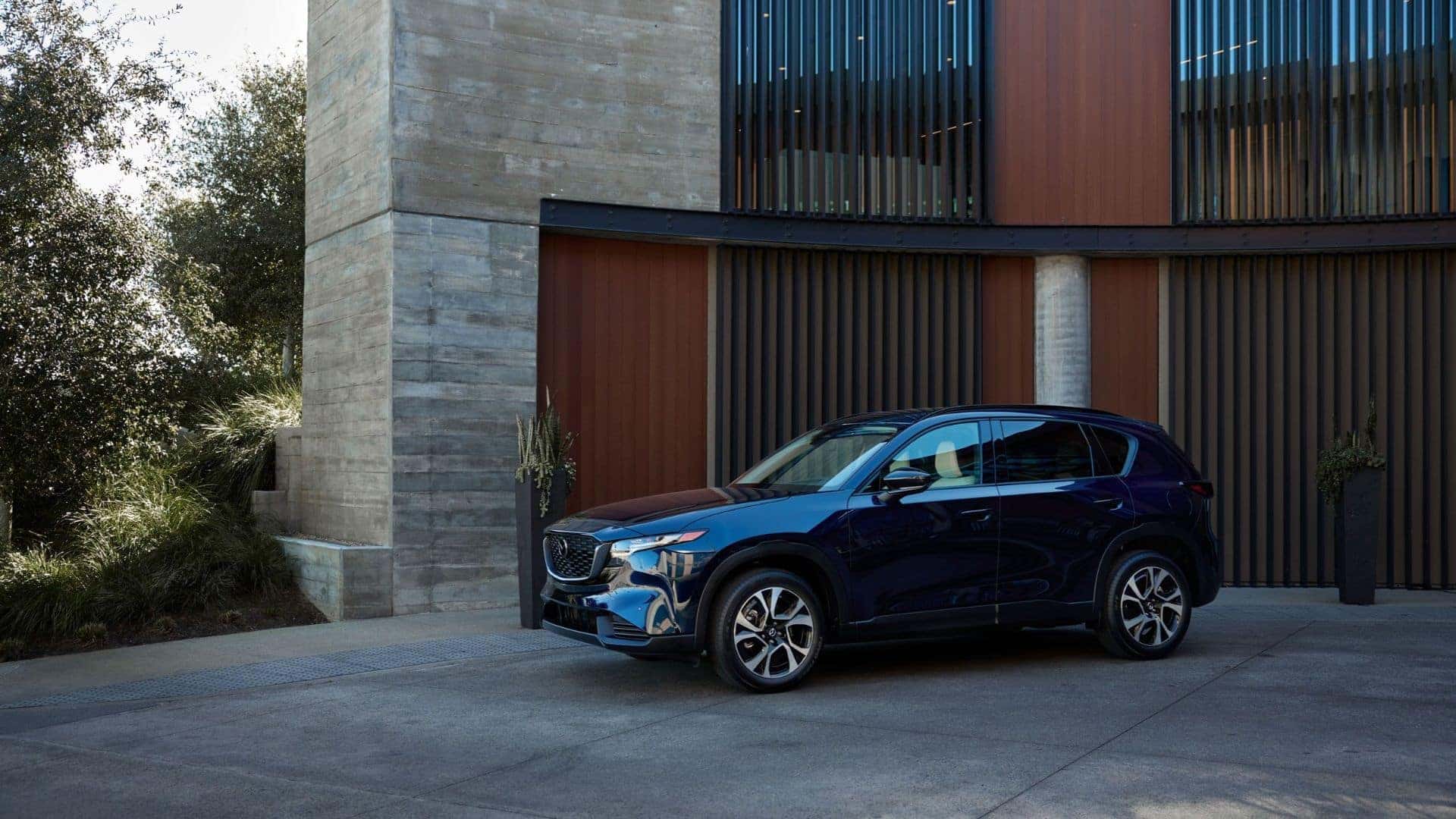
Why Temecula’s First Rain Can Make Roads Slippery
Temecula first rain driving requires extra caution because oil and dust accumulate during dry weather and can make pavement slippery when rain begins. A light shower is enough to change traction, even when the road does not look especially wet.
Driving after a dry spell calls for lower speeds, more following distance, and smooth steering and braking. Slow before curves and intersections rather than making abrupt adjustments while turning. On a commute between Murrieta and Temecula, leave additional room when traffic bunches up or spray makes brake lights harder to see.
For households sharing a CX-30 with a newer driver, wet-road preparation for less-experienced drivers should include reviewing the wiper, headlight, and defroster controls before leaving. Finding those controls while parked is easier than learning them when visibility suddenly drops.
Which Mazda Tire Checks Matter Before Rain?
Mazda tire checks for rain should cover tread depth, inflation pressure, uneven wear, and damage across all four tires. A tire can look acceptable from the side while having worn tread that needs closer inspection.
Use this short checklist before the forecast changes:
- Measure tread in several places, and replace tires worn down to 2/32 inch.
- Check cold tire pressure against the driver’s doorjamb label, not the maximum printed on the sidewall.
- Look for cuts, cracks, bulges, and uneven wear, and have questionable tires inspected.
Cold pressure means checking after the vehicle has been parked for at least three hours. Do not assume a tire-pressure warning system replaces regular pressure checks.
Whether you drive a Mazda3 or CX-5, tread condition deserves attention before the first shower. Tread grooves help channel water away from the tire’s contact area. Hydroplaning occurs when water separates the tires from the road, reducing traction and control.
A useful ownership comparison goes beyond wheel appearance. When shoppers compare trims with different wheels, we recommend checking the actual tires fitted to each vehicle, including their condition and replacement requirements.
Should Rain Influence Your Choice Between FWD and AWD?
Wet-weather driving belongs in a front-wheel-drive versus all-wheel-drive discussion, but tire condition and driving habits remain essential with either layout. All-wheel drive can help distribute engine power among the wheels; it does not make a vehicle immune to sliding or eliminate the need for longer stopping distances.
For shoppers considering Mazda SUVs, the CX-30 and gasoline CX-50 include i-Activ AWD as standard. The CX-50 Hybrid uses an electronic on-demand AWD system, so its drivetrain should not be described as identical to the gasoline model’s.
A practical shopping mistake is treating the AWD badge as the entire rain-readiness checklist. We recommend considering your routes, passenger needs, visibility, and tires together. Someone driving mainly around Temecula may weigh those factors differently from someone regularly traveling on winding roads outside town.
You can browse Mazda SUVs at Hello Mazda of Temecula to narrow your comparison to vehicles that fit your everyday driving needs.
Mazda Visibility Features to Compare for Rainy Driving
Compare wiper controls, headlight operation, defrosting controls, mirror visibility, and rear-window visibility when shopping for a Mazda. Features that clear or illuminate your view matter, but so does how easily you can operate them.
Rain-sensing windshield wipers automatically respond to moisture detected on the windshield when the system is enabled. For a concrete equipment comparison, the CX-30 2.5 S Preferred includes rain-sensing wipers, while the CX-50 also offers them as standard equipment. Confirm the specific vehicle’s equipment on its window sticker or build sheet rather than assuming every Mazda has the same setup.
An in-person comparison can reveal details a specification list misses. From the driver’s seat of a Mazda3 or CX-50, check the view through the mirrors and locate the front defroster and rear defogger controls. Familiarity matters when rain and spray arrive together.
Replace blades that streak or skip, keep washer fluid filled, and clean the windshield inside and out. California requires low-beam headlights when weather conditions require windshield wipers. Verify that your headlights are on rather than assuming daytime running lights provide the lighting you need.
Mazda Driver Assistance in Rain: Capabilities and Limits
Mazda driver assistance in rain can support the driver, but weather, dirty sensors, and obstructed cameras can reduce system performance. Smart Brake Support can provide collision warnings and braking assistance under specified conditions; it does not guarantee collision avoidance.
For example, Mazda’s CX-50 owner information identifies poor weather and windshield obstructions as conditions that can affect camera-based detection. If a warning reports that a system is unavailable, follow the vehicle’s instructions rather than assuming assistance remains active.
Blind Spot Monitoring and Rear Cross Traffic Alert also supplement observation rather than replace it. Keep checking surrounding traffic in reduced visibility through your mirrors and direct observation, even when no alert sounds.
When comparing a CX-5 with a CX-50, ask which assistance functions are included on the particular trims. We recommend having the controls and alerts explained during a vehicle walkthrough, not saving that learning for the first rainy commute.
Understanding the difference between safety ratings and driving assistance also helps shoppers compare vehicles accurately. Safety ratings summarize performance in defined evaluations, while assistance systems provide specific functions during driving. Neither establishes how much grip your tires will have on a particular wet road.

Visit Hello Mazda of Temecula to Explore Available Models
Preparing for Temecula wet road conditions means checking your vehicle before rain arrives and adjusting your driving once pavement becomes wet. Leave more space, avoid abrupt inputs, and do not drive into standing water when you cannot judge its depth or the road beneath it.
Visit Hello Mazda of Temecula in Temecula, part Hello Auto Group, to compare available Mazda models in our current selection. We can help you review their equipment and choose a vehicle that fits your everyday routes.
*Penned by AI, polished by humans
0 comment(s) so far on Temecula’s First Rain: Is Your Mazda Ready?